
Travelling with a dog: Which means of transport is best? 🐶 🚃
Travelling with a dog can turn a simple journey into a rewarding adventure. However, this type of travel requires special preparation, whether you’re a dog owner in the USA, Europe or elsewhere.
This comprehensive guide will help you choose the best means of transport, prepare in advance and ensure the comfort and safety of your four-legged friend.
Choosing the right means of transport: A crucial issue for your dog
Choosing the right mode of transport is essential to ensuring your dog has a pleasant and safe journey. Each option has its advantages and disadvantages. Whether you’re going on a road trip by car or an international flight, it’s important to consider your dog’s well-being at every stage of the journey.
Travelling by car with your dog
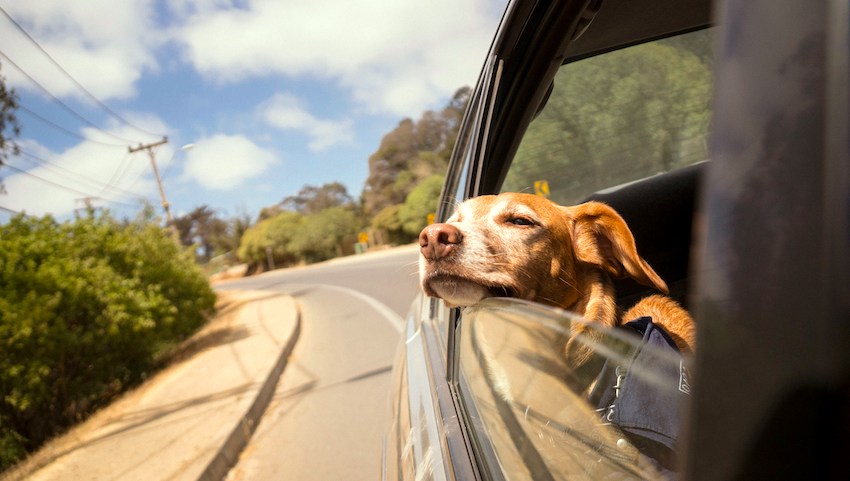
Car travel is one of the most popular and convenient ways to travel with a dog, especially for short-distance journeys. However, your dog’s safety must be your top priority. There are a number of solutions to ensure his comfort and safety during the journey.
Safety first
The use of a safety harness or a securely attached transport crate is essential to prevent your dog from being injured in the event of sudden braking or an accident. In large vehicles, a separation grid can be a good solution to prevent your dog from ending up in the driver’s area. Avoid leaving your dog unprotected on the passenger seat, as this could result in serious injury.
Practical tips
When traveling by car, it’s essential to take regular breaks every 2 to 3 hours. This allows your dog to stretch its legs, drink water and relieve itself. Make sure you have plenty of water and snacks for the journey. Keep the temperature of your vehicle comfortable and avoid leaving your dog in a car in direct sunlight, as this can lead to heatstroke.
Preventing problems
Some dogs can suffer from motion sickness, so watch out for signs of stress or nausea. Avoid feeding your dog just before departure to minimize the risk. You can also use relaxation techniques, such as soothing music or an anti-anxiety collar, to help your dog feel calmer during the journey.
Travelling by train with your dog
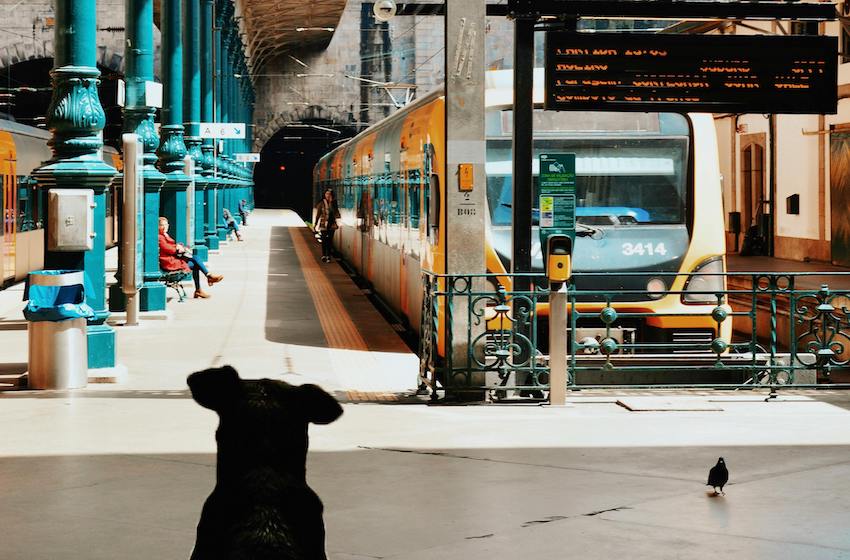
The train can be a great way to travel with your dog, especially for longer journeys or when you want to avoid the stress of a car journey.However, each rail company has its own pet policies, so it’s crucial to find out in advance.

Company policies
Rules vary from company to company. Some accept small dogs on board, while others only allow animals in specific crates. Check the specific conditions for each company and make sure you have all the necessary documents, such as your dog’s vaccination certificate, to avoid any hiccups at the station.
Travel strategies
For a successful train journey, we recommend choosing off-peak times, such as early morning or evening, to minimize stress and crowds. Bring along a familiar blanket or cushion to make your dog feel at ease. Make sure you keep your dog calm and under control throughout the journey, so as not to disturb other passengers.
Flying with your dog
Flying with your dog requires careful preparation. Air travel for pets can be stressful, but there are options to make the flight more enjoyable for your four-legged friend.
Choice of airline
It’s important to compare airline conditions regarding the transport of pets. Some airlines allow small dogs in the cabin, which can be the most comfortable choice. However, this usually entails additional charges, which can vary from $100 to $500 depending on the size and weight of your dog. If your dog is too big to travel in the cabin, it will have to be transported in the hold, an option that requires additional precautions.
Preparing for your flight
Before you leave, consult your veterinarian to make sure your dog is in good health for air travel. Some airlines recommend natural tranquilization methods, but these should be used with caution. Prepare a travel kit for your dog, including water, snacks, doggie bags and anything else you need to make him comfortable.
Practical alternatives and solutions
If you don’t want to travel by car, train or plane, there are other means of transport to suit your needs.
Other means of transport
Buses are generally more restrictive for dogs, with conditions varying from company to company. As for ferries, some companies offer more flexible options for pets, but this depends on the itinerary. There are also specialized pet transport services that can be an ideal solution if you’re planning a longer or more complex trip.
Additional tips
It’s advisable to opt for short trips at first, to get your dog used to the journey. Invest in quality transport equipment, such as adapted crates or safety harnesses. Gradually getting your dog used to traveling by train, plane or car can also help him get used to these experiences.