
Travelling with your dog: The complete guide to a stress-free holiday 🐶 ✈️
Travelling with your faithful four-legged companion may seem a complex challenge, but with the right preparation, it’s a rewarding and unforgettable experience. In the United States, travel with pets is becoming increasingly common, and infrastructures are gradually adapting to accommodate our canine friends.
The success of a trip depends essentially on meticulous preparation. Every detail counts: from administrative formalities to the choice of mode of transport, not forgetting your dog’s comfort and safety.
1. Administrative formalities not to be overlooked
Passport and health documents
When traveling with your dog across the U.S., it’s essential that you have the proper documentation to ensure your trip goes smoothly. Unlike human passports, travel with dogs requires a specific set of health and vaccination records to prove that your pet is fit to travel.
These documents not only guarantee your dog’s well-being, but also protect public health and comply with interstate and local regulations.
In the U.S., although the term “passport” is not officially used for dogs, you’ll need to prepare several essential documents:
- A recent veterinary health certificate (less than 30 days old)
- Up-to-date vaccination record
- Proof of deworming and anti-parasite treatment
Mandatory vaccinations
A few basic vaccinations are essential to ensure your dog’s health and meet travel requirements. These mandatory vaccinations protect not only your pet, but also public health, by preventing the spread of serious, even fatal, diseases from state to state and in various travel environments.
Essential vaccinations include :
- Rabies (mandatory in all states)
- Distemper
- Canine hepatitis
- Parvovirus
Specific regulations
In the United States, dog regulations vary by state and municipality, with specific laws for certain breeds, such as pit bulls, rottweilers and German shepherds, often perceived as more aggressive.
Some cities, such as Denver and Miami, ban or restrict these breeds, which can complicate travel due to restrictions on access to housing, parks or public areas.
Be aware that additional requirements may apply to dogs classified as “potentially dangerous”, such as insurance, identification tags, muzzles or training courses. It is therefore crucial for travelers to find out about local and state regulations before they leave, by consulting municipal websites and resources such as the ASPCA.
2. Packing your dog’s suitcase
Essential equipment
When preparing for a trip with your dog, strategic packing ensures comfort, safety, and stress reduction. The right equipment can transform a potentially challenging journey into a seamless adventure, keeping your furry friend happy and healthy throughout your travels.
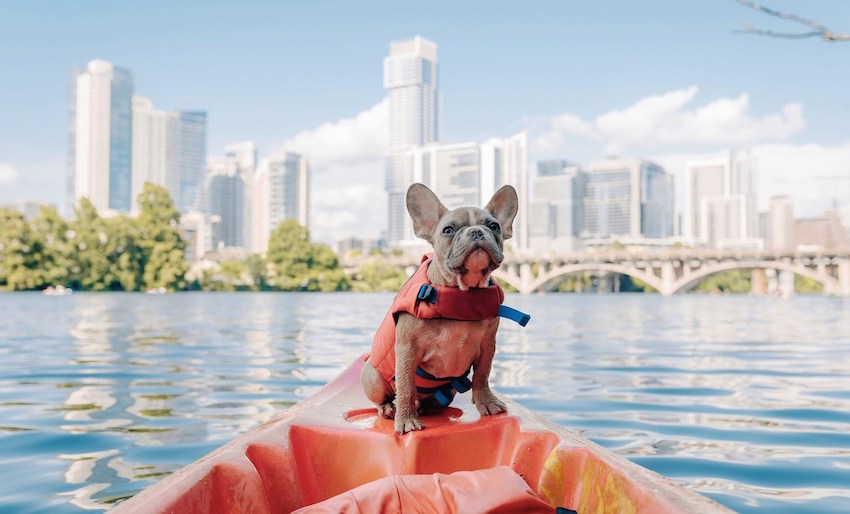
A well-planned doggy travel kit is your first line of defense against unexpected situations and travel-related anxieties. Here are a few ideas:
- Usual food (in sufficient quantity)
- Folding bowls
- Leash and safety harness
- Familiar toys to reduce stress
- Dog-friendly first-aid kit
Choice of transport
By car
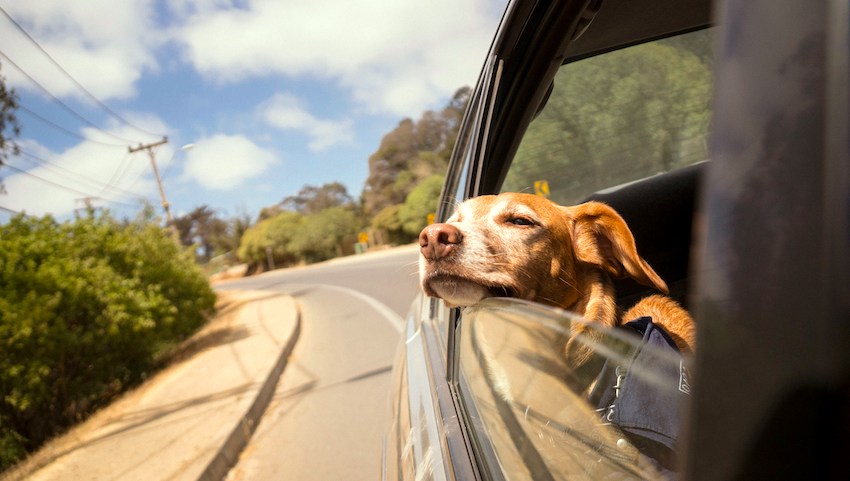
Road trips with your canine companion require thoughtful planning to ensure safety, comfort, and enjoyment.
Whether you’re embarking on a short local drive or a cross-country adventure, selecting the right transportation approach and preparing for your dog’s needs can transform a potentially stressful journey into a memorable experience for both of you. Remember to:
- Use a safety harness or crate
- Plan regular breaks (every 2-3 hours)
- Keep fresh water available
By plane
When planning to fly with your canine companion, understanding airline pet transportation rules is critical. Different carriers have varying policies regarding dog travel, with options typically ranging from in-cabin transport for smaller pets to cargo hold arrangements for larger breeds.
Careful preparation and advance planning are key to ensuring a safe, comfortable journey for your four-legged traveler. Here are some ideas:
- Check airline policies
- Two main options: carry-on or checked baggage
- Plan a comfortable trip with transport adapted to your dog’s size
3. Dog-friendly accommodation
Selection criteria
Finding the right accommodation when traveling with a dog requires careful planning and strategic selection. The perfect pet-friendly lodging goes beyond simply allowing dogs, encompassing a holistic approach to comfort, convenience, and mutual respect between travelers, their canine companions, and accommodation providers.

Understanding key selection criteria ensures a smooth, enjoyable stay that meets both human and canine needs. Note these points when booking a dog-friendly hotel:
- Additional fees for pets
- Allowed areas
- Proximity to green spaces
- Special facilities
Recommended platforms
It’s never been easier to book accommodations that welcome your four-legged friend, thanks to specialized online platforms. That’s why Dogstayhaven.com is the website dedicated exclusively to dog-friendly hotels. Other websites simplify the search for dog-friendly accommodation, offering comprehensive filters and detailed information. Here are a few ideas:
- Dogstayhaven.com
- Airbnb (with “pet-friendly” filter)
- Booking.com (with “pet-friendly” filter)
4. Practical tips
Stress management
Traveling can be emotionally challenging for dogs, triggering anxiety and uncertainty. By strategically introducing familiar elements and maintaining consistent routines, pet owners can significantly reduce their dog’s travel stress.
The goal is to create a sense of security and predictability in an unfamiliar environment, helping your canine companion feel safe and relaxed throughout the journey. Consider this:
- Bring familiar objects
- Maintain a routine similar to that at home
- Plan time to rest
Public behavior
And finally, traveling with your dog requires careful behavior in shared public environments. Proper etiquette not only ensures the comfort of others, but also maintains a positive perception of pets in public spaces.
By following a few simple rules, you can help create a respectful and welcoming atmosphere for all:
- Keep your dog on a leash
- Pick up after your dog
- Respect unauthorized areas